
Relief for Neck and Shoulders with Massage
01 February 2026 | NaSiam
Introduction
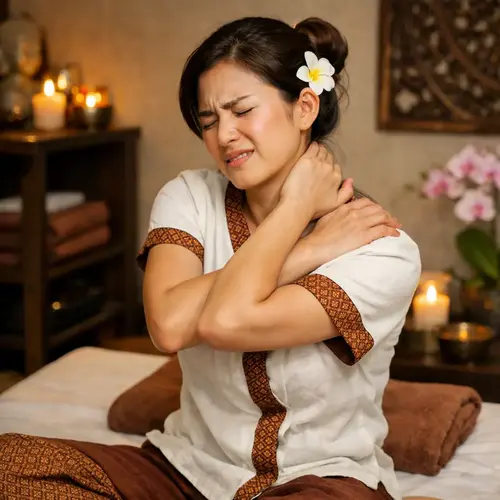
Tension and pain in the neck and shoulders are very common and can significantly affect your daily life. These complaints sometimes appear suddenly but often build up gradually due to posture, stress, or overuse.
Massage is often chosen as a way to promote relaxation and reduce tension. Through targeted techniques, muscles can calm down and the body can recover more effectively.
In this article, you will learn what causes neck and shoulder pain, which massage techniques are used, and how you can actively contribute to your own relief.
Understanding neck and shoulder pain
Neck and shoulder pain is a common issue that ranges from mild tension to discomfort that interferes with daily activities. Symptoms may occur suddenly after a specific movement or develop slowly due to prolonged strain.
Often, multiple factors play a role at the same time. Poor posture, stress, and repetitive movements cause muscles to remain constantly contracted. Understanding these causes is an important first step toward relief.
Causes of neck and shoulder pain
Poor posture
Sitting for long periods, especially behind a computer, often causes the neck and shoulders to bend forward. This posture leads to ongoing muscle tension and can also affect joints and nerves.
Stress and tension
During stress, muscles tense up , especially in the neck and shoulder area. When this tension persists, it can result in chronic complaints and a constant feeling of discomfort.
Physical overuse and injuries
Heavy physical effort, repeated lifting, or exercising without proper technique can overload the muscles. Injuries such as sprains or whiplash may also cause long-lasting neck and shoulder pain.
The benefits of massage for neck and shoulders
Massage helps relax tense muscles and can provide noticeable relief. Through touch and pressure, blood circulation improves, which supports muscle recovery.
In addition, massage contributes to overall relaxation. During a treatment, the body comes to rest, which is also mentally pleasant. Regular massages can help release tension more quickly.
Another benefit is that relaxed muscles make it easier to maintain better posture, which may help prevent new complaints in the long term.
If you would like to learn more, be sure to also read our blog post What is Thai massage good for .
Different massage techniques for relief
Swedish massage
This technique consists of long, flowing movements and gentle kneading. It is often chosen for general relaxation and relief from mild to moderate tension.
Deep tissue massage
Deep tissue massage works on deeper muscle layers with slow and targeted pressure. This technique is often used for persistent or long-term tension in the neck and shoulders.
Trigger point therapy
Trigger point therapy focuses on specific pain points in the muscles. Targeted pressure can reduce tension that sometimes radiates to other parts of the body.
Choosing the right type of massage
The choice of massage depends on the nature and intensity of your complaints. For general tension and relaxation, a softer technique is often preferred. That is why we recommend a back, neck and shoulder massage at NaSiam.
For persistent or deeper complaints, a more intensive massage technique may be more suitable. It is useful to consult with a professional to determine which approach best fits your situation.
Tips for self-massage at home
Self-massage can help reduce daily tension. With slow, circular hand movements, you can loosen the neck and shoulder muscles.
Tools such as a tennis ball against a wall can help you reach more difficult areas. There are also massage devices that can provide support when used correctly.
Professional massage treatments: what to expect
During a professional massage, the treatment usually begins with a conversation about your complaints. Based on this, the massage is tailored to your needs.
Various techniques are applied during the treatment to reduce tension. It is important to indicate what feels comfortable and what does not.
Afterwards, you may feel deeply relaxed. Sometimes there may be mild muscle soreness, especially after more intensive massages. Drinking enough water is often recommended.
How often should you get a massage?
How often you get a massage depends on your complaints and lifestyle. For persistent tension, regular massages can help maintain relaxation.
For milder complaints, a lower frequency may be sufficient. Consistency plays an important role in keeping muscles flexible.
Additional therapies for neck and shoulder pain
In addition to massage, some people choose complementary therapies such as physiotherapy, acupuncture, or chiropractic care. Each of these approaches focuses on a different aspect of the body.
Combining different therapies can contribute to a broader approach to neck and shoulder complaints.
And if you are wondering whether Thai massage is healthy, read more here .
Conclusion and recommendations
Neck and shoulder pain can greatly affect your daily comfort. Massage offers an accessible way to reduce tension and promote relaxation.
By making conscious choices, regularly paying attention to your body, and seeking professional guidance when needed, you can work toward long-term relief. Give yourself the rest and care your well-being deserves.
Frequently asked questions
Which massage is best for neck and shoulder pain?
It depends on your symptoms. Mild tension often responds well to gentler techniques, while persistent tightness may benefit more from deeper targeted work.
How quickly can I feel results?
Some people feel relief immediately, while others notice clearer results after multiple sessions. Duration and cause of pain matter.
Is massage enough for severe neck complaints?
Not always. If pain is severe, radiating, or persistent, medical evaluation is recommended and massage should be used as complementary care.
How often should I book treatment?
For recurring tension, regular sessions (for example every 2-4 weeks) are often helpful, depending on workload and recovery.
What can I do between sessions?
Focus on posture, short movement breaks, gentle mobility exercises, and proper recovery habits to maintain results longer.
- Health
- Massage
- Wellness