
Authentic Thai massage explained: the complete guide
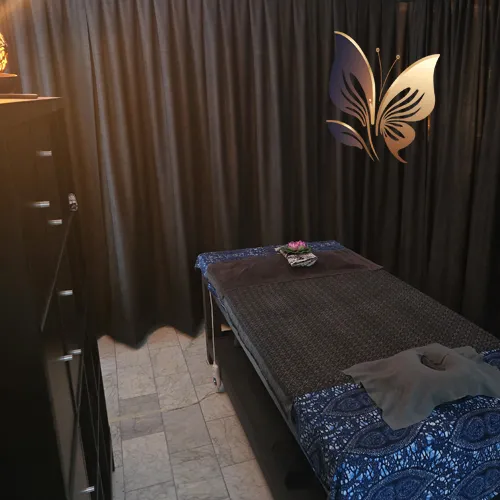
What is authentic Thai massage?
What if the key to less tension in your neck, shoulders, and back is not simply “taking it easy,” but understanding what authentic Thai massage actually does?
Many people hear the term regularly, but are not fully sure what the difference is between traditional Thai massage, oil massage, therapeutic pressure work, and an ordinary relaxation massage. As a result, they often book something without really knowing which approach fits their body best.
This guide is designed as a clear informational foundation. You will discover how authentic Thai massage works, which benefits are realistic, how different treatments differ from one another, and what to look for when choosing a reliable practice. If you mainly want NaSiam, local treatment information or an appointment, go to Thai massage at NaSiam.
Key points
- Learn how authentic Thai massage stands out through a combination of acupressure and assisted stretching.
- Discover the therapeutic benefits, including support for flexibility, stress reduction, and recurring tension.
- Compare traditional Thai massage, Thai oil massage, and deeper treatments such as deep tissue.
- Understand what to expect from a first visit to a professional practice.
- Learn how to choose a reliable practice with clear information, training, and boundaries.
Table of contents
- What is authentic Thai massage and why does it matter?
- The therapeutic benefits for body and mind
- Which massage suits you? A comparison of techniques
- Your first visit to a professional practice: what can you expect?
- How do you choose a reliable practice?
What is authentic Thai massage and why does it matter?
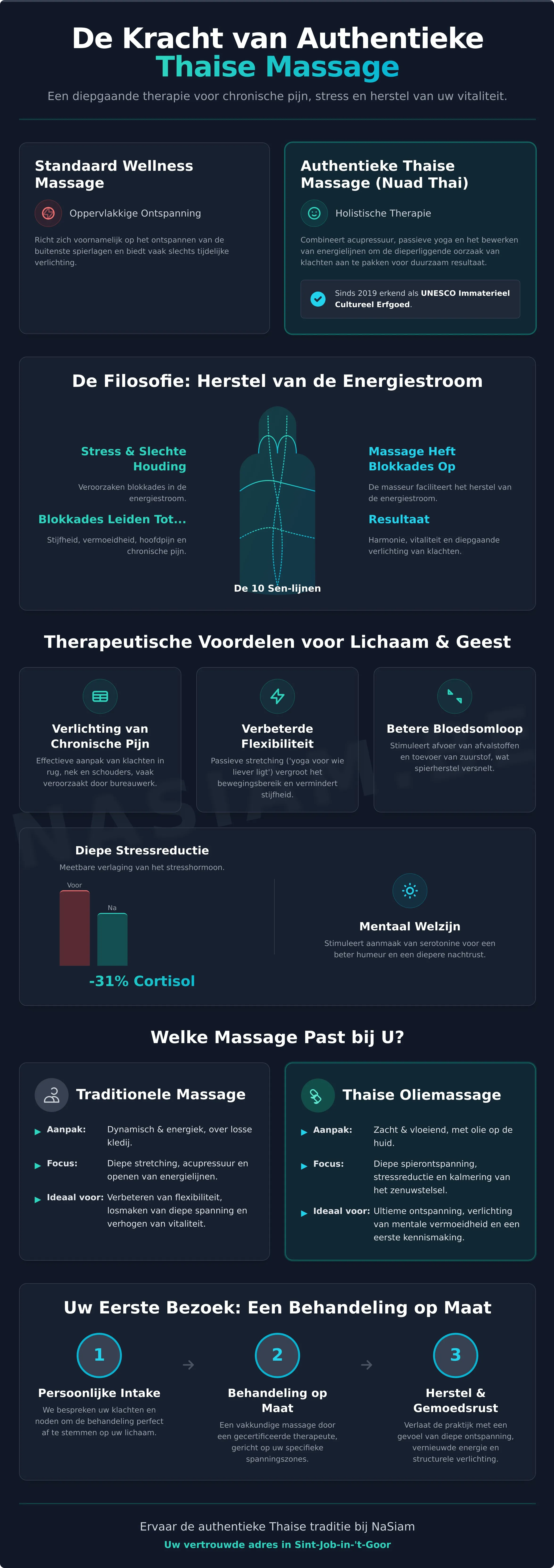
A Thai massage, or Nuad Thai, is much more than a moment of relaxation. It is a traditional bodywork method that combines acupressure, passive stretching, and work along energetic and muscular lines in the body. That is exactly what makes it fundamentally different from a standard wellness massage that mainly works on surface-level relaxation.
The roots of Nuad Thai go back more than 2,500 years. Today, you do not need to travel to Thailand to experience that tradition. A professional practice can apply those techniques close to home in a way that is adapted to modern complaints such as desk tension, stress, reduced mobility, and recurring tightness in the body.
Where a standard massage often offers temporary relief, a more authentic and targeted Thai approach can work on broader patterns of tension. The goal is not simply to “massage harder,” but to combine pressure, rhythm, and movement in a way that gives the body more space again.
The idea behind the sen lines
Traditional Thai massage often refers to Sen lines, the energetic pathways used in Thai medicine. Whether you approach that concept traditionally or more practically, the underlying idea is the same: tension rarely sits in just one isolated point. A shoulder may carry tension from the neck, upper back, breathing pattern, or overall stress load.
Thai massage as cultural heritage
In December 2019, UNESCO recognized Nuad Thai as Intangible Cultural Heritage. That recognition highlights that Thai massage is not a vague trend, but a structured tradition with standards, techniques, and a clear identity. If you want to see how that translates into treatments at NaSiam, continue to our page about massages & treatments.
The therapeutic benefits for body and mind
Authentic Thai massage is often chosen because it can do more than create a pleasant hour. It can support the body when muscles feel overloaded, mobility becomes smaller, or stress keeps settling physically in the neck, shoulders, back, or legs.
Many people notice benefits such as:
- greater ease of movement and flexibility
- relief of recurring muscular tension
- a calmer nervous system and deeper relaxation
- a better balance between activation and recovery
Research and broader medical overviews also describe massage as supportive for stress regulation, circulation, and general wellbeing. At the same time, it remains important to stay realistic: massage is supportive bodywork, not a replacement for medical diagnosis when complaints are sharp, new, or severe.
Support for modern complaints
People who sit for long hours, work physically, commute often, or train intensely usually notice the same pattern: the body stays “on” for too long. That is exactly where Thai massage can be relevant, because it addresses both the body and the way tension accumulates through daily rhythm.
Mental calm matters too
A professional treatment is not only about muscles. For many people, the biggest shift is that the body finally leaves alert mode for a while. If you are mainly looking for local and practical information about NaSiam, you will find that on the homepage.
Which massage suits you? a comparison of techniques
The world of Thai massage is broader than many people expect. Choosing the right treatment depends on your goal, your sensitivity to pressure, and whether you are mainly looking for deeper release, local focus, or softer relaxation.
Traditional Thai massage vs Thai oil massage
Traditional Thai massage usually works without oil and uses more stretching, pressure points, and assisted movement. It often feels more active and is a strong option if you feel stiff or want a more structural treatment.
Thai oil massage is softer and more flowing. It works more directly on relaxation, muscle calm, and sensory comfort. It is often a better choice if your body mainly needs to slow down and settle.
More specific or deeper treatments
For people with stubborn muscular tension, there are also more targeted options:
- deep tissue massage for deeper and more compact tension patterns
- Thai therapeutic massage for complaint-focused Thai bodywork
- Back, neck, and shoulder massage for more local upper-body complaints
- Thai aroma massage for a softer and calmer oil-based session
If you are mainly unsure about the difference between broader therapeutic work and deep tissue, our comparison therapeutic massage vs. deep tissue helps clarify that choice.
Your first visit to a professional practice: what can you expect?
A first appointment often comes with questions. That is normal. What matters most is that you know what usually happens before, during, and after a session.
At a professional practice, a first visit usually includes:
- a short intake about complaints, sensitivity, and goals
- a clear explanation of treatment style and intensity
- space to mention pregnancy, injuries, or medical points of attention
- a calm and hygienic setting
If you want a fuller practical preparation, our beginner guide first Thai massage: everything you need to know is the best next step.
Why the intake matters
Two people can both say they want “Thai massage,” while one mainly needs a softer reset and the other a deeper, more complaint-focused approach. That is why a short intake matters: it prevents guesswork.
Practical information around the appointment
If you want to check local information about access, rates, and treatments at NaSiam, use the homepage, the services overview, or the price list.
How do you choose a reliable practice?
A good practice is rarely defined by big promises. You recognize it much more by training, hygiene, clear communication, and honest information about what a treatment can and cannot do.
Useful signs to look for:
- clear information about treatments and who they suit
- a therapist who starts from your body and comfort, not from a fixed script
- obvious professional boundaries and a calm tone
- transparent information about prices, accessibility, and practical details
At NaSiam, we deliberately explain that approach openly. Nalita combines Thai roots with continued training and works with intake, adjustment, and respect for comfort. If you want to get to know her and the practice better first, visit our about page.
Clear information is part of reliability
A useful guide should not end in vagueness. That is why NaSiam keeps treatments, durations, and rates easy to compare. After reading this article, the most logical practical next steps are the homepage, the massages & treatments page, and the price list.
From guide to practical next step
You now have a clearer picture of what authentic Thai massage actually involves: a body-oriented method that goes beyond pure relaxation. That makes it easier to choose more deliberately between treatment styles, expectations, and type of practice.
If you mainly want local information about NaSiam in Sint-Job, continue to the homepage. If you want to prepare for your very first appointment, go next to first Thai massage: everything you need to know.
If you then want to compare treatments or plan more concretely, the massages & treatments page and the price list are the logical next step.
Frequently asked questions about Thai massage
Is Thai massage painful?
Thai massage can feel intense, but it should not feel unbearable. The goal is to release tension, not to force the body. Good communication during the session matters.
What should i wear during a traditional Thai massage?
Loose, comfortable clothing is best. Depending on the session, the practice may also give clear guidance or provide appropriate materials.
How often is massage recommended?
That depends on your goal. For general maintenance, many people choose a monthly rhythm. For recurring complaints, shorter intervals may be useful at first.
Does NaSiam also offer duo massages?
Yes. If you want to share the experience with a partner or a friend, you can also look at our duo massage option.
Are there situations where massage is not recommended?
Yes. Fever, acute inflammation, open wounds, certain skin conditions, or recent surgery are examples where extra caution or postponement may be necessary. When in doubt, always mention this in advance.
Author, reviewer and approver
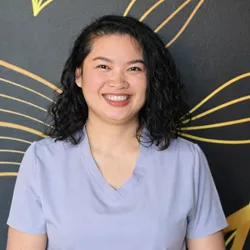
Nalita Mangtaku
Thai massage therapist, owner & founder
Nalita Mangtaku has practised massage since 2009 and is the founder of NaSiam. Her favourite treatments are therapeutic Thai massage, sports massage, and relaxation massage. She describes her style as flowing, healing, and energetic.
Therapeutic, with clear boundaries
Our massages are non-medical wellbeing treatments adapted to tension, stiffness, fatigue, and the need for relaxation.
- We start with a short intake and adjust pressure, pace, and techniques to your comfort level and situation.
- Massage may support relaxation and temporary body comfort; it does not diagnose conditions or replace a doctor, physiotherapist, or rehabilitation.
- Always mention pregnancy, recent surgery, fever or infection, acute injury or inflammation, skin wounds, blood thinners or a bleeding disorder, and unexplained or increasing pain beforehand.
- Firm massage, deep tissue, and cupping require extra caution; cupping can cause temporary discoloration, scars, burns, or infections.
- Seek medical help for severe or rapidly increasing pain, numbness or weakness, clear swelling, chest pain, or breathing difficulty; do not wait for a massage appointment.
Sources for boundaries and precautions: NCCIH on massage safety, NCCIH on cupping, and ACOG on massage during pregnancy.
- Massage
- Wellness
- Health