
Thai Massage for Neck, Back, and Shoulder Problems
18 September 2024 | NaSiam
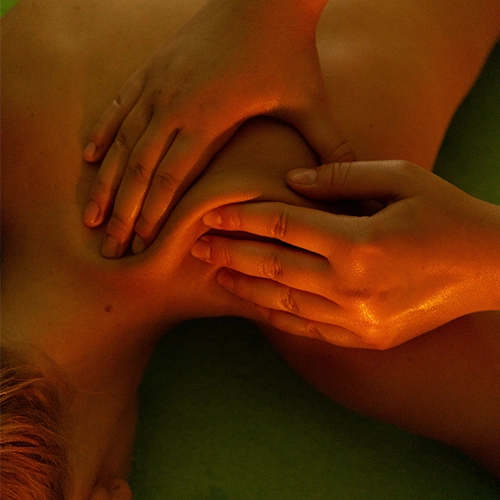
Thai Massage: The Natural Solution
Thai massage offers more than just relaxation. For those struggling with chronic neck, back, and shoulder issues, this method can be transformative. Through a combination of acupressure, stretching, and rhythmic compression, the body is encouraged to heal: muscles relax, mobility increases, and underlying tension patterns are addressed. Learn more about the tradition and techniques on Wikipedia – Thai massage .
Why is it so effective for neck, back, and shoulders?
Thai massage treats the whole body, not just the painful area. Applying pressure to specific points improves circulation and reduces muscle tension — ideal for complaints caused by desk work, stress, or overuse. Releasing shortened neck muscles may reduce headaches; deeper work along the spine helps with posture-related back pain; and targeted shoulder techniques restore mobility around the shoulder blade. The holistic approach also promotes mental relaxation and stress reduction.
Back Pain: How Does Thai Massage Help?
For back problems, Thai massage combines stretching and compression to mobilize muscles and joints. This not only relieves immediate pain but also stimulates circulation and recovery. Many lower back issues are linked to stiff paraspinal muscles; by activating pressure points, blockages are released and both acute and chronic pain are reduced.
Shoulder Pain: Targeted Technique, Noticeable Effect
Shoulder issues often stem from overuse or poor posture. With pressure on trigger zones around the shoulder blade and upper back, tension is reduced and natural mobility restored. Stretching movements loosen shortened structures and lower the risk of recurring pain. Evidence also shows that a Northern Thai technique (Tok Sen) can reduce pain, ease muscle tension, and increase pain thresholds ( PMC – Tok Sen study ).
Stress and Pain Reinforce Each Other
Chronic stress keeps muscles in a state of tension, especially in the neck, shoulders, and back. Thai massage activates a deep relaxation response: stress hormone levels decrease while relaxation increases — providing lasting relief ( Cleveland Clinic – Thai massage ).
Why Choose Thai Massage?
While many methods work locally, Thai massage restores the balance of the entire system. The blend of acupressure, yoga-like stretches, and deep tissue techniques provides both pain relief and mobility gains, along with a calming effect on body and mind. Regular sessions reduce symptoms and help prevent future overload.
FAQ
What is the difference compared to a “classic” massage?
Thai massage uses pressure points, stretching, and mobilizations; classic massage usually focuses more on rubbing or kneading muscles.
How often is it recommended for neck or back problems?
Start with weekly sessions (2–6 weeks), then reduce to maintenance (every 3–4 weeks).
Is it painful?
The pressure can feel intense but should never be too painful. Communicate your limits; the therapist adjusts accordingly.
Is it suitable for everyone?
Generally yes. For recent surgeries, osteoporosis, cardiovascular issues, or pregnancy: consult your doctor/therapist first.
Does it help with tension headaches?
Yes, by releasing neck and shoulder tension, headache symptoms often decrease.
- Massage
- Health
- Wellness