
The Benefits of Massage Oil in Thai Massages
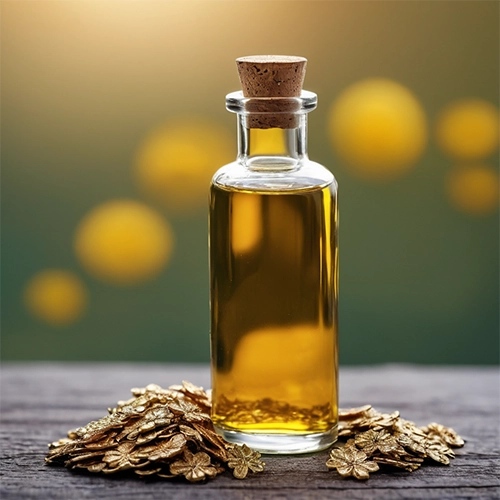
The benefits of massage oil in Thai massages
Thai massages are known for their deep relaxation and therapeutic benefits. A good overview can be found on Wikipedia – Thai massage , while Healthline provides tips on the best massage oils. Massage oil is not just meant to lubricate the skin; it has countless benefits that contribute to an optimal massage experience.
Why massage oil is used
Massage oil ensures that the therapist’s hands glide smoothly over the skin, reducing friction and preventing irritation. It also hydrates the skin, which is especially beneficial for people with dry skin.
Additionally, many oils enhance relaxation through their aromatic and therapeutic properties. Oils enriched with lavender or chamomile create a calming atmosphere and promote deeper relaxation.
Comfort during flowing movements
Oil makes gliding movements easier. It does not enable risk-free work “deep” into muscle tissue or guarantee release of tension or pain.
Improved blood circulation
Oil reduces friction and can make long, flowing movements more comfortable. We do not attach guarantees about circulation, oxygen delivery, faster recovery, or energy.
Joint flexibility
Massage oil does not make joints more flexible. Comfort during assisted movement depends on positioning, pressure, and the person.
Aromatherapy and emotional wellbeing
Many massage oils are enriched with essential oils that support emotional wellbeing. Lavender reduces stress, chamomile soothes, and ylang-ylang can bring balance. This makes the massage not only physically but also mentally healing.
Skin hydration and nourishment
Massage oil hydrates the skin and provides it with antioxidants and vitamins. Ingredients such as rice milk and ylang-ylang help repair and rejuvenate the skin.
Prolonged massage effects
How long a relaxed feeling lasts differs per person; oil does not guarantee a longer effect.
Choosing the right oil
Not all oils are the same. Ask your therapist for advice on which oil best suits your skin type and preferences. At NaSiam, our exclusive NaSiam Gold oil is a favorite, alongside chamomile and lavender variants.
Trying Thai massage at home
While a professional Thai massage is unmatched, you can also use simple techniques and oils at home for relaxation. Be careful with pressure points, though: professional therapists have years of training.
Frequently asked questions
What are the benefits of massage oil in Thai massages? Massage oil reduces friction, hydrates the skin, helps the therapist work deeper, and enhances relaxation through aromatherapy.
Which oil is most suitable? It depends on your skin type and preference. At NaSiam we use our exclusive NaSiam Gold oil, chamomile, and lavender. You are always welcome to smell and choose in advance.
Can I do a Thai massage at home with oil? Yes, with simple techniques and the right oil you can create relaxation. For pressure points and deeper techniques, a professional is recommended.
How often should I use massage oil? Daily as skincare is fine, but during massages it is usually sufficient. It depends on your skin type and needs.
Are there any side effects? Usually not. For sensitive skin or allergies, test the oil on a small area first and inform your therapist.
Does massage oil help with muscle pain? Oil is not a treatment for muscle pain. Seek healthcare advice for persistent, increasing, or unexplained pain.
Does oil contribute to emotional wellbeing? Scent can influence the subjective atmosphere, but it does not guarantee an effect on stress or mood.

Author, reviewer and approver
Nalita Mangtaku
Thai massage therapist, owner & founder
Nalita Mangtaku has practised massage since 2009 and is the founder of NaSiam. Her favourite treatments are therapeutic Thai massage, sports massage, and relaxation massage. She describes her style as flowing, healing, and energetic.
Therapeutic, with clear boundaries
Our massages are non-medical wellbeing treatments adapted to tension, stiffness, fatigue, and the need for relaxation.
- We start with a short intake and adjust pressure, pace, and techniques to your comfort level and situation.
- Massage may support relaxation and temporary body comfort; it does not diagnose conditions or replace a doctor, physiotherapist, or rehabilitation.
- Always mention pregnancy, recent surgery, fever or infection, acute injury or inflammation, skin wounds, blood thinners or a bleeding disorder, and unexplained or increasing pain beforehand.
- Firm massage, deep tissue, and cupping require extra caution; cupping can cause temporary discoloration, scars, burns, or infections.
- Seek medical help for severe or rapidly increasing pain, numbness or weakness, clear swelling, chest pain, or breathing difficulty; do not wait for a massage appointment.
Sources for boundaries and precautions: NCCIH on massage safety, NCCIH on cupping, and ACOG on massage during pregnancy.
- Health
- Massage
- Wellness